



Ban on interference in ethnic affairs mooted









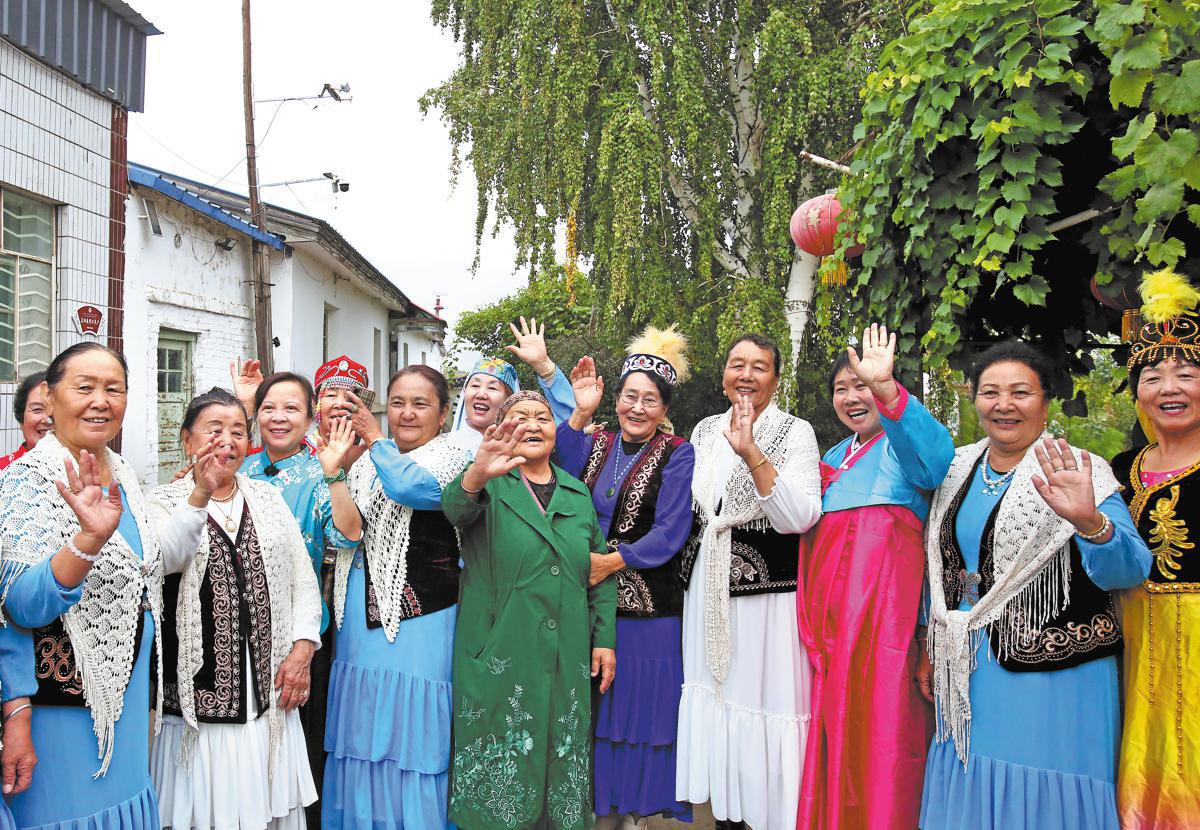
A draft law explicitly prohibiting external interference in China's ethnic affairs is currently under review by the Standing Committee of the National People's Congress, the country's top legislature.
The proposed legislation, aimed at promoting ethnic unity and progress, was submitted on Monday for a second deliberation during the ongoing session of the NPC Standing Committee. It firmly opposes any attempts at infiltration, undermining, defamation, or suppression under the guise of ethnicity, religion, or human rights.
The draft clarifies that Chinese citizens have an obligation to uphold national unity and ethnic solidarity, and they should safeguard national sovereignty, security and developmental interests.
It also highlights that the country adheres to governing ethnic affairs by rule of law and ensures the protection of the legitimate rights and interests of people from all ethnic groups.
"Including the provisions in this draft because they are not only an important aspect of ethnic affairs but also a specific requirement for advancing overall law-based governance," Xin Chunying, an official of the NPC's Constitution and Law Committee, said on Monday while explaining the legislative item to national lawmakers.
She cited the draft underscoring the need to strengthen education on the Constitution and laws and enhance national, civic and legal awareness among people of all ethnic groups, calling for efforts to uphold the unity and dignity of the socialist rule of law.
Additionally, according to the draft, schools and other educational institutions are allowed to use standard Chinese as the basic language of teaching.
Earlier this year, when the NPC Standing Committee unveiled its annual work report, it announced that it would formulate the law so as to forge a strong sense of national identity, reinforcing the Chinese people as one cohesive community.
Xin also stressed the significance of the legislation on Monday, noting "the formulation is conducive to comprehensively promoting ethnic unity and progress and also helps better support people of all ethnic groups across the country in advancing national development and rejuvenation through Chinese-style modernization".
The draft was submitted by the NPC Standing Committee for the first review in September. It was subsequently made available on the NPC's official website to solicit public suggestions and provided to all NPC deputies to collect their opinions.
"Furthermore, we also listened to ideas from ethnic affairs departments and experts, with research tours conducted in Yunnan, Guizhou provinces and the Xinjiang Uygur autonomous region, making every effort to optimize the draft," Xin added.



- Xinjiang reports highest foreign trade growth in China
- Harbin authorities demand return of pensions paid out to deceased
- Global research project on AI guardrails launched in Beijing
- Partnering with China, embracing opportunities
- China's cyberspace regulators announce measures for protection of minors
- Beijing's 'Rocket Street' promoted at aerospace conference