


Amazing worlds can't disperse the doping cloud
Remarkable feats overshadowed by sport's drug cheats









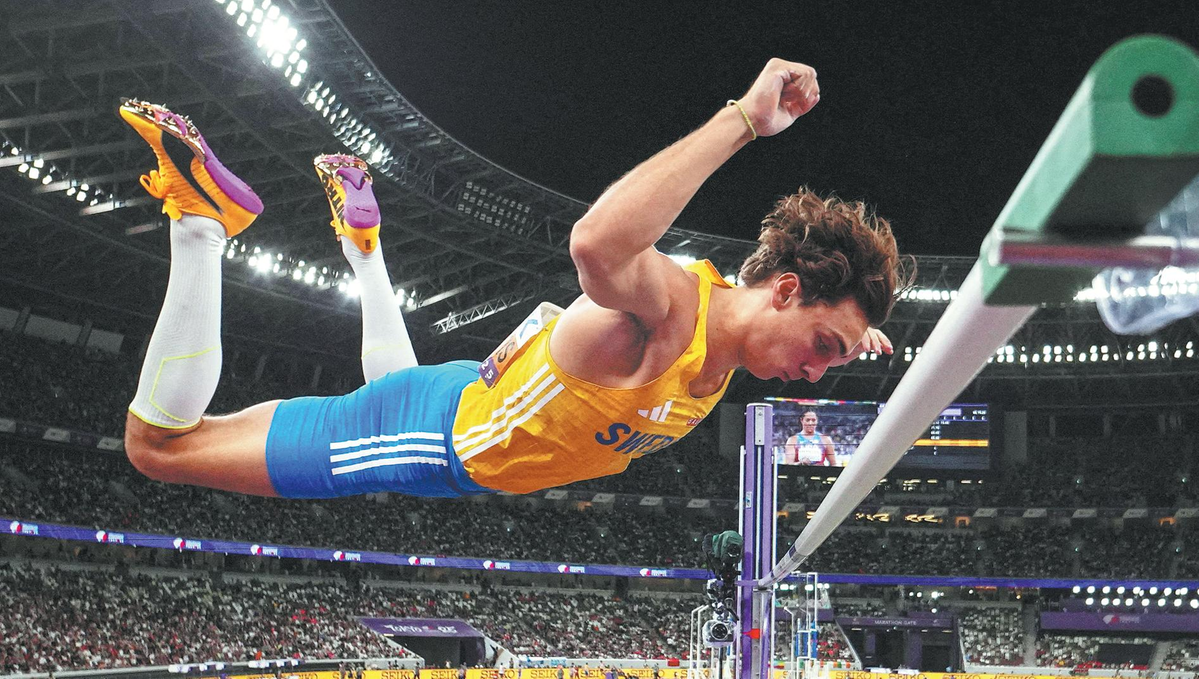
The perennial battle between adulation and skepticism summed up the year in athletics, as fans were treated to some mind-blowing performances against the usual depressing backdrop of doping that leaves everyone unsure whether to clap or cry.
On the positive side, the blip caused by COVID meant the sport held a third world championships in four years, and the 20th edition in Tokyo delivered an almost constant stream of brilliant performances and incredible finishes, delivering medals to 53 nations.
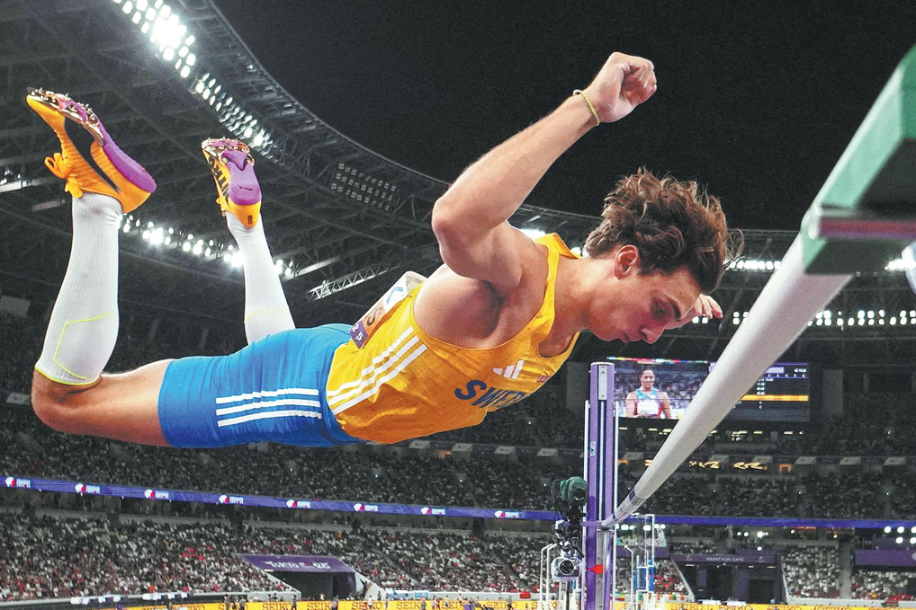
Sweden's Armand Duplantis, again, shone brightly on the biggest stage, setting his 14th pole vault world record in front of a spellbound 57,000 crowd, and was duly crowned Male Athlete of the Year.
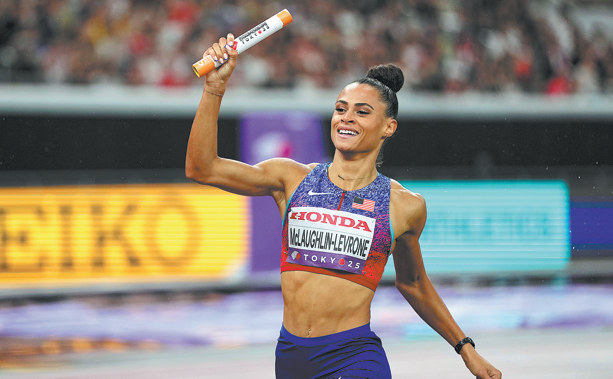
Sydney McLaughlin-Levrone, having done all there was to do in the 400-meter hurdles, seamlessly switched to the 400m flat and erased Jarmila Kratochvilova's 42-year-old championship record, earning the Female Athlete of the Year award as a result.
The United States also ruled the short sprints through the irrepressible Noah Lyles and calmly devastating triple champion Melissa Jefferson-Wooden.
A succession of incredible finishes in longer races meant the combined winning margin of the men's 1,500m, 3,000m steeplechase, 10,000m and marathon was an astonishing 0.18 seconds.
While hi-tech shoes and "energy-return" tracks make it ever-harder to judge many of these performances against history, in theory the infield presents a fairer barometer.
In Tokyo it delivered nightly drama, not least in the men's shot put, where American Ryan Crouser took an astonishing third world title having not thrown for a year due to an elbow injury.
Going one better, with a fourth 1,500m world title, was Kenyan Faith Kipyegon, who, with three Olympic golds and a world record in the event, further underlined her status as one of the greatest athletes of all time.
Kenya finished second in the medal table with seven golds (the US won 16) but, when it comes to doping offenses, the East African nation remains the runaway leader.
Bans issued
Since the Athletics Integrity Unit was formed in 2017, it has sanctioned 427 athletes for doping offenses, with a remarkable 149 of them — more than a third — being Kenyan.
Russia, whose athletes have barely competed in that period, are next with 75, while Ethiopia and India are a distant joint-third with 20. A further 154 Kenyans have been sanctioned in non-international cases.
Top of the bill this year was Ruth Chepngetich, who was given a three-year ban in October, but whose incredible — in every sense — marathon world record of two hours nine minutes 56 seconds set a year earlier still stands.
Eliud Kipchoge, the greatest marathon runner of all time, slipped off the scene with great dignity, still giving his all, but routinely failing to trouble the podium.
But even he could not escape the fallout, as at least four of the pacers for his 2019 "Ineos 1:59 challenge", when he broke the two-hour mark in a non-sanctioned race, have been banned.
The US, however, is far from clean.
Fred Kerley and Marvin Bracy — gold and silver medalists over 100m at the 2022 worlds — were both banned. Kerley was provisionally suspended for whereabouts failures and Bracy accepted a 45-month sanction for doping offenses.
Kerley, also a double Olympic medalist, immediately signed up for the Enhanced Games, where athletes are allowed to dope. Erriyon Knighton, who won a world 200m bronze as an 18-year-old, was also given a four-year ban for a doping violation.
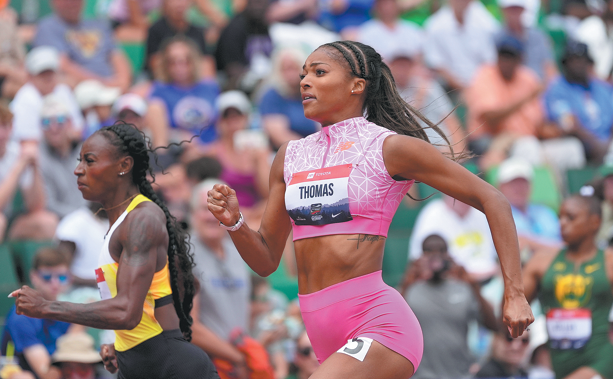
US athletes faced some uncomfortable questions in August when their Olympic 200m champion Gabby Thomas demanded coaches be banned for life if they have previously served a suspension, and that any athletes working with them were "complicit".
Sitting squarely in the crosshairs was multiple world and Olympic sprint medalist Dennis Mitchell, who guided Jefferson-Wooden alongside five others to medals in Tokyo and trained Bracy.
Mitchell was banned for doping for two years in 1998 and also admitted having injections of human growth hormone, a banned but, at the time undetectable, performance enhancer.
This month Mitchell was named United States Track & Field Coach of the Year.
Reuters



Most Popular
- Amazing worlds can't disperse the doping cloud
- Masterful McIlroy joins elite club, as Scheffler dominates majors
- Barcelona strengthens Liga lead at Villarreal, Atletico goes third
- Villa homes in on title dream
- Robinson carving a niche
- Pogacar in GOAT territory after stellar 2025 season