


Why Japanese PM's remarks sparked outrage









This year marks the 80th anniversary of the victory of the Chinese People's War of Resistance Against Japanese Aggression and the World Anti-Fascist War.
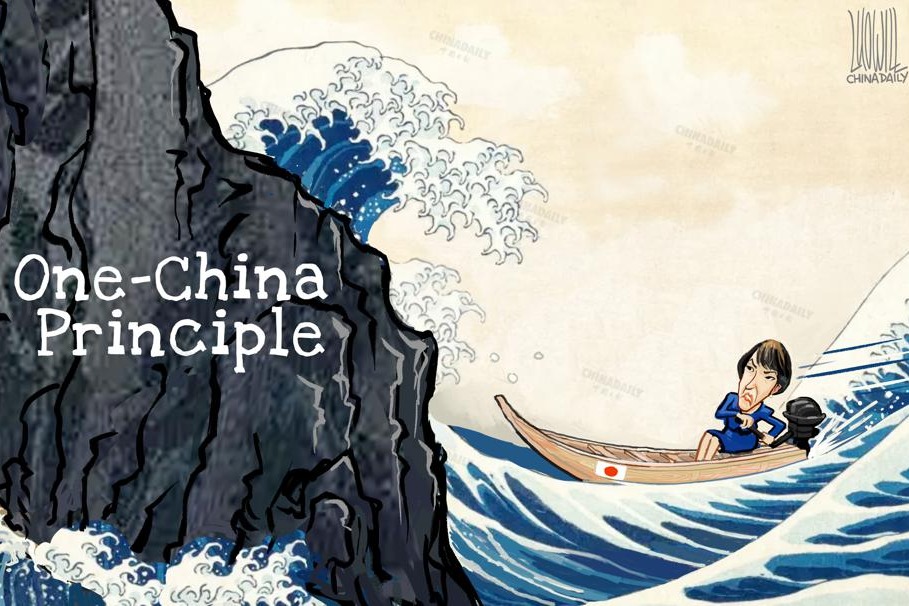
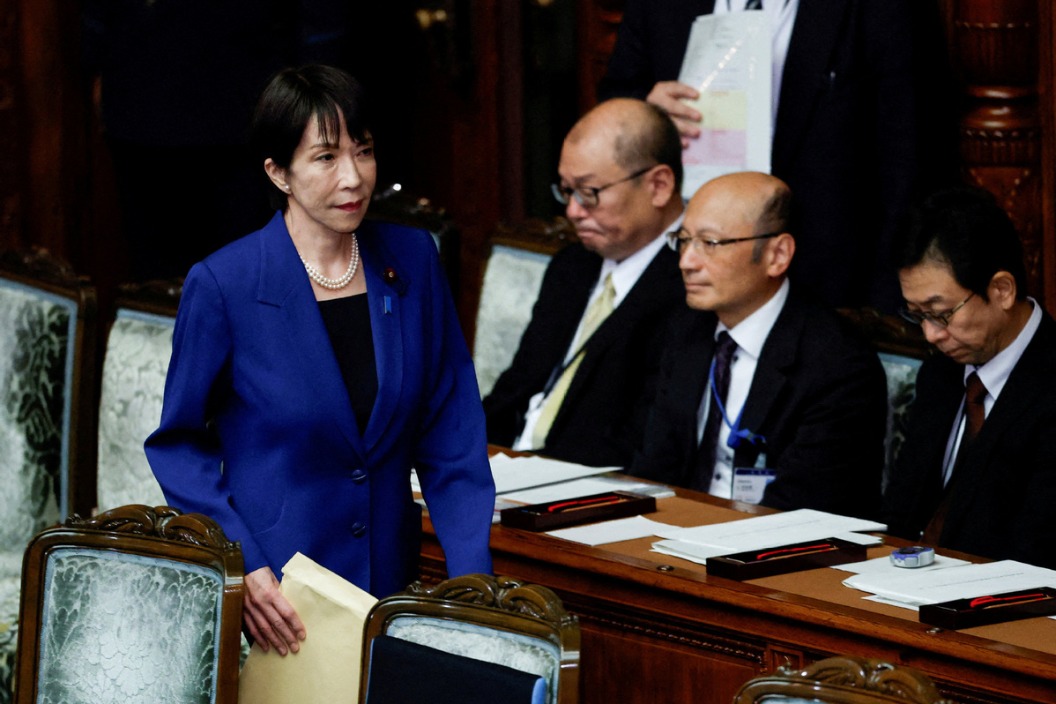
Yet, at this historical juncture, Japanese Prime Minister Sanae Takaichi made egregious remarks regarding Taiwan and refused to withdraw those words despite criticism at home and abroad. They are a great blow to the post-war order as well as a blatant challenge to China's core interests.
Historical facts
Taiwan's return came on the heels of China's victory in WWII. In 1945, after its full and unconditional surrender, Japan accepted international legal documents such as the Cairo Declaration and the Potsdam Proclamation, which stipulated that Taiwan should be returned to China.
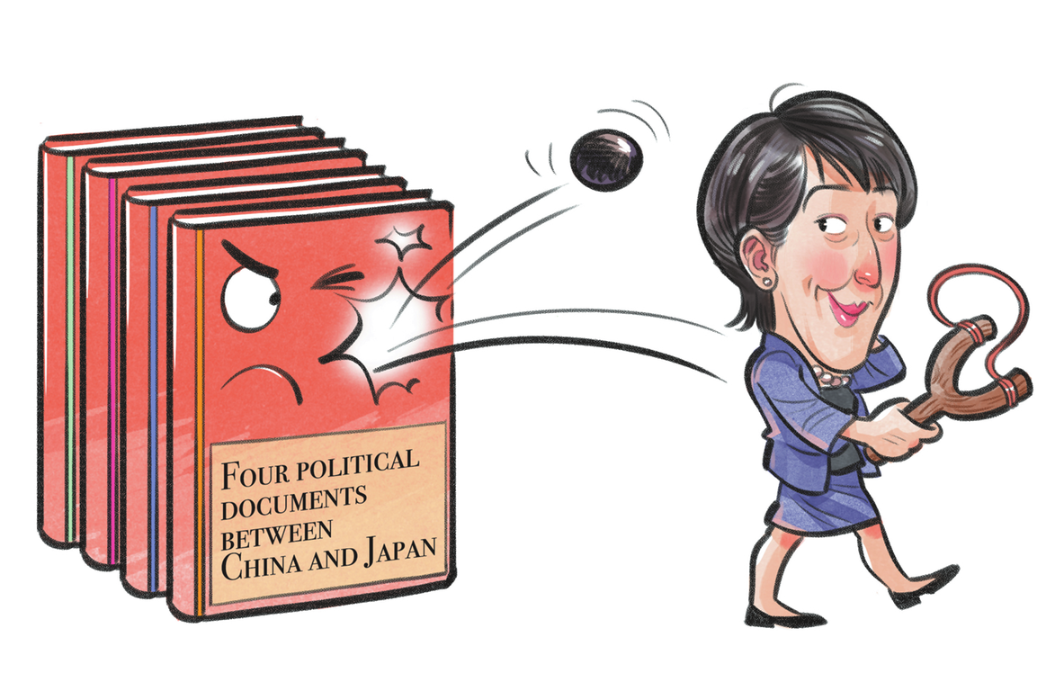
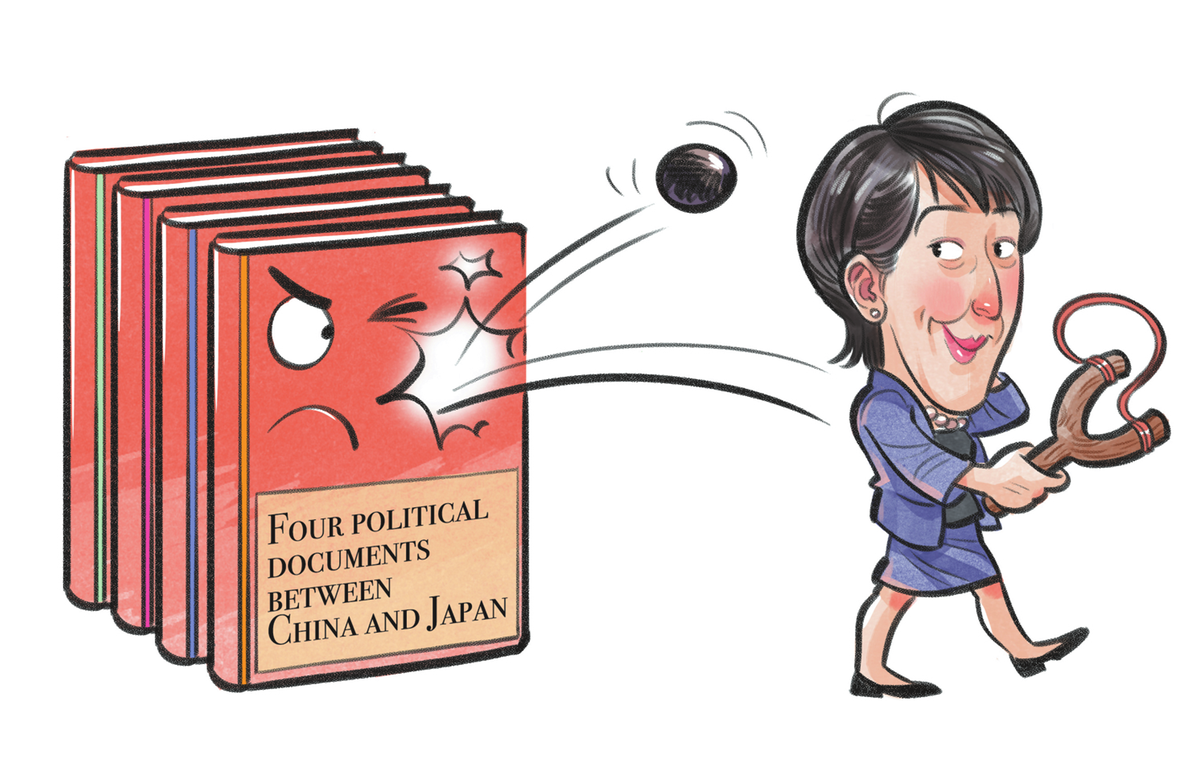
The Sino-Japanese Joint Statement signed when diplomatic relations were normalized in 1972 stipulated that the Japanese government "fully understands and respects the Chinese government's position that Taiwan is an inalienable part of China's territory." The political documents between the two countries in 1978, 1998 and 2008 all reaffirmed the Japanese government's position on Taiwan as stated in the 1972 Joint Statement.
When Japanese Prime Minister Yasuo Fukuda visited China in 2007, he further clarified that Japan would not pursue "one China, one Taiwan", not support "Taiwan independence", and not support Taiwan's "membership" in the United Nations.
It is not hard to see how Sanae Takaichi's recent remarks on Taiwan violate the spirit of the four Sino-Japanese political documents and undermine the political foundation of the bilateral ties.
Lingering militarism
In the 1930s, militarist Japan launched a war against China that lasted 14 years. While inflicting enormous suffering on the Chinese people and committing countless crimes against humanity, it also brought heavy losses domestically.
After the war, the Japanese society underwent painful reflections and came to one conclusion: What happened in the first half of the 20th century should not be repeated, and militarism should be eradicated. Thus came Japan's post-war Peace Constitution, which reflected this thinking.
Yet 80 years later the ghost of Japanese militarism still lingers in the country, even among its leadership. This is why Sanae Takaichi's words must not be regarded as merely random remarks made out of political expediency. Either they are a carefully crafted statement or she just blurted out what she really thinks.
Either way, they are dangerous, provocative and reckless. Also, they are out of sync with the trend of the times and underestimate China's determination to reunify. No wonder they come under such strong criticism in China and other Asian countries.
Unsurprisingly "surprised"
Some say that the Japanese leadership was "surprised" by China's strong reaction. But the wiser questions that should be asked are: What did the Japanese government expect from this?
As the prime minister's words revive the darker residue of Japanese militarism, as well as painful memories of the past in countries that were brutally occupied by Japan, how exactly did the Japanese government or the PM herself expect China to respond?
Sanae Takaichi, as a seasoned political figure and leader of a major economy, should be fully aware of the consequences of her words.
If Takaichi realizes they are mistakes, she should retract them. But more worryingly and likely: What if she does not?
Whatever the Japanese PM decides to do next, one thing is without question: Eighty years after WWII, any attempt to interfere in China's internal affairs, or to revive the ghost of the past, will be met with a resolute, head-on response from China and other victims of Japanese militarism.
The author is a commentator on international affairs, writing regularly for Xinhua News, Global Times, China Daily, CGTN etc.
The views don't necessarily represent those of China Daily.
If you have a specific expertise, or would like to share your thought about our stories, then send us your writings at opinion@chinadaily.com.cn, and comment@chinadaily.com.cn.