



Beijing receives climate award at COP30 Local Leaders Forum









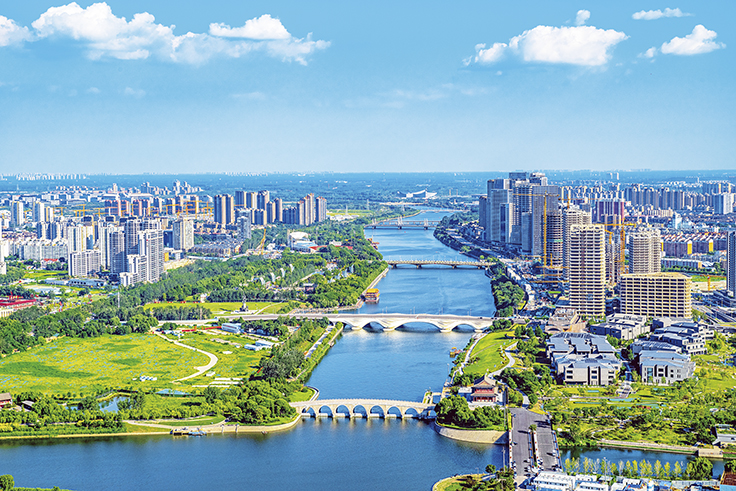
Since 2019, Beijing's municipal administrative center has developed a robust flood prevention and drainage system tailored to its location on an alluvial plain with a dense river network and exposure to extreme weather. By 2024, 48.2 percent of the area met national "sponge city" standards, enabling it to withstand recent extreme downpours without major urban flooding.
At the same time, Beijing has advanced coordinated pollution and carbon reduction across the energy, transportation, and industry sectors, leading to a significant improvement in the regional environment.
By 2024, compared with 2019 levels, the area's annual average concentration of fine particulate matter (PM2.5) had fallen by 26 percent, while carbon emission intensity had declined by about 20 percent.


- Chinese researchers develop computational framework to study aging
- China launches pilot program for AI ethics review, services
- Birdwatching enthusiasts work with local authorities in Qinhuangdao
- Health authorities: No risk of Hantavirus transmission in Yibin
- Chinese premier chairs State Council executive meeting
- Xinjiang to leverage energy resources to meet national goals





