



Land reforms help farm profits mushroom









In 2012, he started to grow fruits such as blueberries, cherries, mulberries and peaches on his 69 hectares of land.
"I used to plant flowers and trees, but seedling cultivation harmed the soil," Sun said, adding that selling the fruits brought in annual profits of 400,000 to 500,000 yuan.
Located in the foothills of Siming Mountain in eastern Zhejiang, Lianglong has lagged behind in industrial development due to its poor transportation infrastructure. In recent years, the local government has also reconsidered land use to include environmental improvements.
Lianglong has more than 60 homestays to cater to the booming tourism industry.
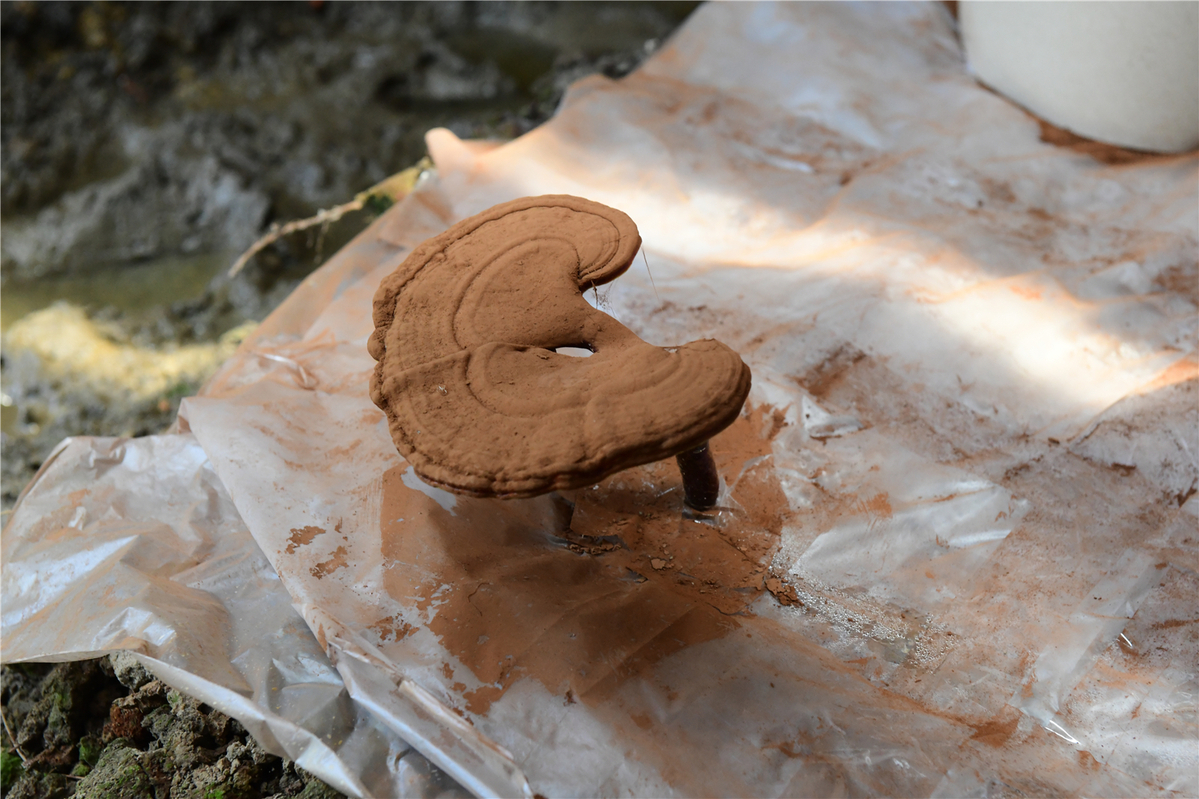
Sun wants to build entertainment facilities around his farm to accommodate families coming to pick fruit and visit his lingzhi greenhouse.
"I hope to apply for more land to build facilities, such as an exhibition hall to present the lingzhi and sanghuang I planted. Visitors may want to buy some after being educated on the benefits of these health products," Sun said.
"I have invested 6 to 7 million yuan in the greenhouse and hired about 10 villagers to take care of it. I see hope in growing the mushrooms," he added, smiling.


- Chinese researchers develop computational framework to study aging
- China launches pilot program for AI ethics review, services
- Birdwatching enthusiasts work with local authorities in Qinhuangdao
- Health authorities: No risk of Hantavirus transmission in Yibin
- Chinese premier chairs State Council executive meeting
- Xinjiang to leverage energy resources to meet national goals





